


In late March, the FCC quietly dropped an order that affects nearly every consumer Wi-Fi router brand on the market. If you're a boater running consumer networking gear aboard, or shopping for an upgrade, it's worth understanding what changed and what it actually means for you.
What Is The Ban?
On March 23, the FCC updated its national security "Covered List" to include all consumer-grade Wi-Fi routers produced outside the United States. This means that no new foreign-made router model can receive FCC authorization, which means it cannot legally be imported or sold in the US going forward.
The reality is that virtually every major router brand manufactures overseas. The FCC's definition of "produced" is broad, covering not just where a router is assembled, but where it's designed and developed. There are essentially no consumer routers currently made in the United States. So that is going to cause some issues....
The Mobile Internet Resource Center has a great deep dive on the details, including a video walkthrough:
 Andrew McNabb
What Consumer Grade Means
The FCC defines consumer-grade as routers "primarily intended for residential use and can be installed by the customer." Enterprise-focused gear sits in a different category and is likely outside the ban's scope, though the line is genuinely ambiguous and companies largely self-certify where they fall.
For boaters, this distinction matters a lot. Brands like Peplink, Cradlepoint, and Teltonika sit firmly in the enterprise category. If you're running a GL.iNet router though, that's a different story. GL.iNet is Chinese-headquartered and their gear is squarely in the consumer/prosumer space, which almost certainly puts them in the crosshairs. Same with brands like TP-Link, ASUS, etc.
The Verge has a good article on the ban as well if you want to dig into the details.
What To Do Now?
Nothing, if your current gear is working. The FCC is explicit: existing routers are completely unaffected, no action required. Firmware and security updates are allowed to continue through at least March 1, 2027. Existing authorized models currently on shelves can still be purchased.
There's also a "conditional approval" exemption process for manufacturers, and it's already happening. As of yesterday, Netgear became the first brand to receive approval, valid through October 1, 2027, after the Defense Department reviewed their application and found their products don't pose national security risks. Adtran, an enterprise networking company, also received approval today.
The Mobile Internet Resource Center published an article on that approval too that you can dive into below:
Andrew McNabb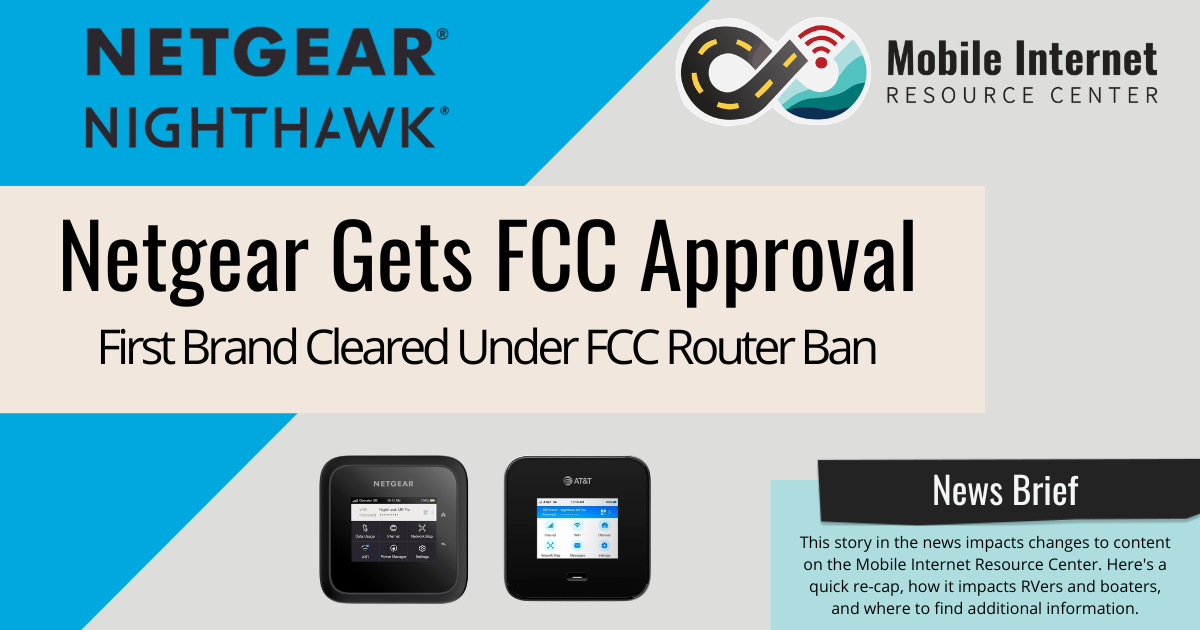
The Irony
The stated rationale is national security, but critics have pointed out a significant problem with the logic. By blocking new models, the policy keeps older, less-patched routers in service longer. And the major documented hacks that the FCC cites as justification — Volt Typhoon, Salt Typhoon — implicated US brands like Netgear and Cisco, not just Chinese-made equipment. The FCC presents no evidence that foreign-made routers are inherently less secure.
What the conditional approval process does require is a plan to shift manufacturing to the US. Make of that what you will.
What about Peplink?
As avid readers are aware, I recommend and use Peplink equipment on boats because of its feature set and robustness, among other things. Peplink sits in the enterprise category and is almost certainly outside the scope of this ban. If anything, this is a useful reminder of why choosing enterprise-grade gear for a serious marine install makes sense beyond just the feature set.
SpeedFusion bonding, deep cellular expertise, and multi-WAN failover are all critical features I rely on, and aren't available in consumer gear. If you've been on the fence about making the jump from a consumer router to a Peplink setup, this is a reasonable nudge to consider an upgrade.
Steve Mitchell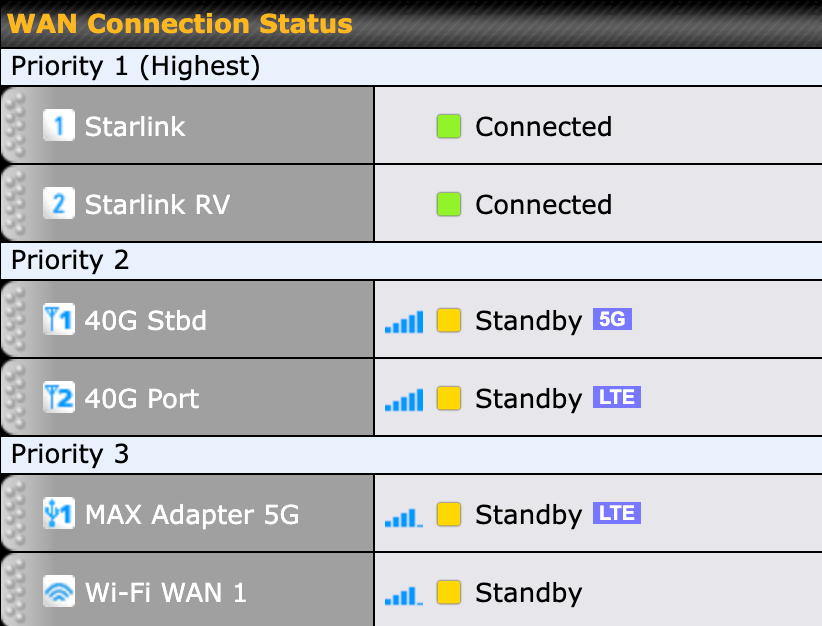
What about Starlink?
Based on a comment below, I realized I hadn't answered an important question - is Starlink affected?
For the consumer versions of their products, which includes most of the ones we use on boats, I would assume the same ban applies since their routers are not made in the US. Their business and enterprise products are likely exempt. I'm sure they will be applying for approval for their consumer products as well.
Next Steps?
If you're running consumer gear that's working, you don't have to do anything now. Your router is fine and will keep getting updates through at least early 2027.
If you're looking for an upgrade, buy currently-authorized stock sooner rather than later. Inventory of approved models will narrow over time as new models can't come to market. I would also look at enterprise versions of products, like Peplink, instead of consumer-grade just to get out of that market and what might become of it as a result of this mess.
This situation will keep evolving through 2026. The Mobile Internet Resource Center team will stay on top of it better than anyone for the RV and boating audience, so worth bookmarking them for updates.
What model router do you have or use? Post your details in the comments!