


I've been testing a number of new products for the last couple of months and am excited to share some incremental updates. All of these will end up being deeper dives and reviews once the testing is completed.
Arco Zeus Omega Alternator Regulator
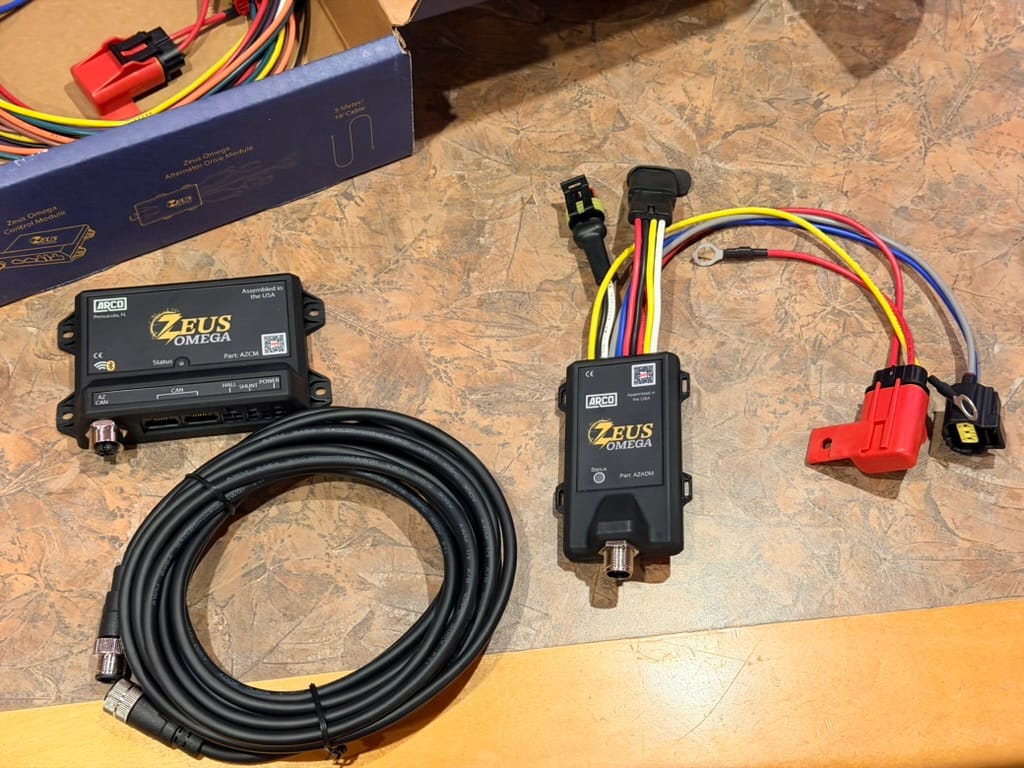
One of the products that we awarded at IBEX was the Arco Zeus Omega alternator regulator, and I've now got one under test aboard Aruna. This is the next generation of regulators from Arco, and the biggest innovation or feature is the componentization of the regulator pieces.
One of the biggest challenges with installing alternator regulators is the sheer bundle of cables that go between the regulator and the alternator, plus all of the shunts and sensors you need for it to work correctly.
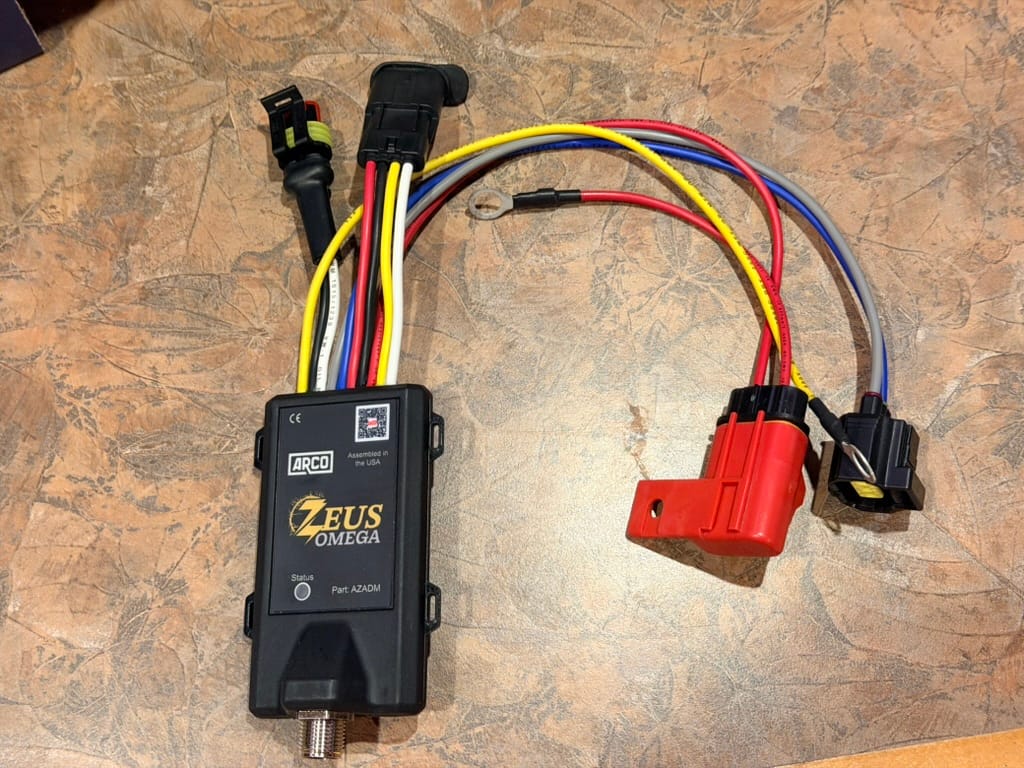
Arco broke this all apart and provide a Drive Module (in the screen shot above) that sits at the alternator on the engine. It's much smaller and built to handle the heat and vibration. That leaves very short cabling to the various connections on your alternator, which makes the install, as well as the troubleshooting if something goes wrong, much easier.
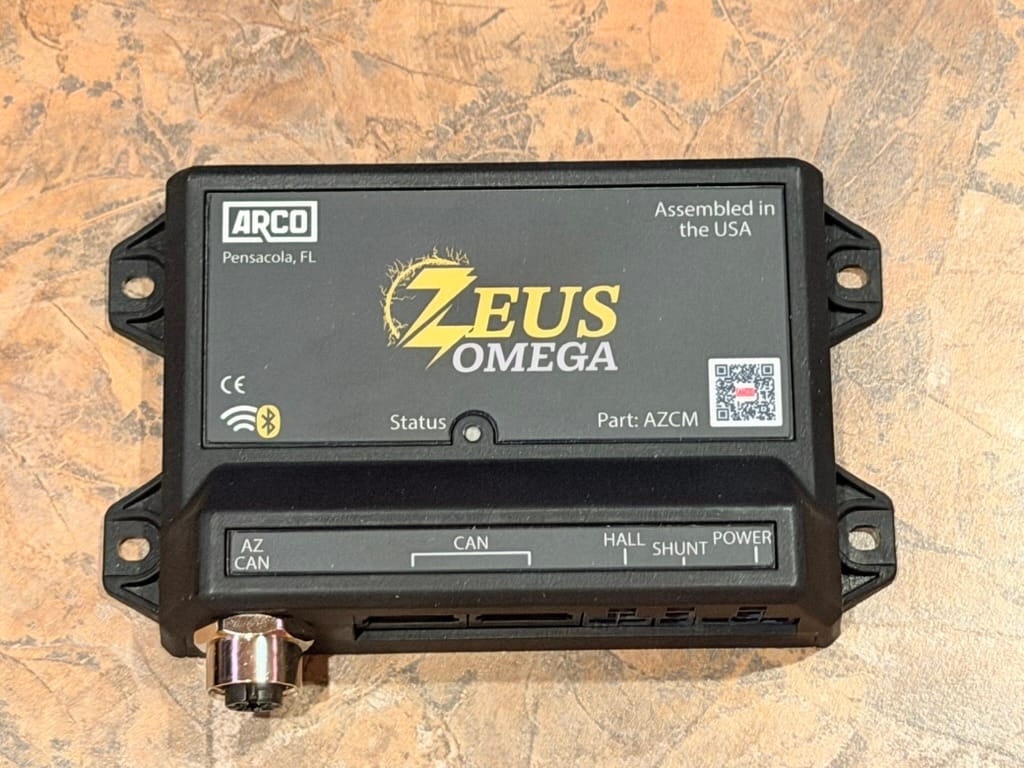
At the other end of the chain is the Control Module, which can be installed close to your battery bank for better voltage accuracy, as well as near a NMEA 2000 network drop. The Drive Module is connected to the Control Module by a single CAN cable that Arco provides - much simpler cabling!
In addition, the Omega has better support for NMEA 2000 networks and other integrations like DVCC on Victron (although there were some rough starts to this in early firmware versions) and now leverages hall effect sensors for current sensing instead of shunts, which are much easier to install.
I have paired this with a new Arco 275 amp 12 volt alternator and doing a lot of testing this winter while out and about since solar is rarely helpful this time of the year in the Pacific Northwest. So far, I'm pretty impressed with the new features and functions over the older Arco regulator, and definitely love the simplified cabling.
X Engineering Alternator Regulator
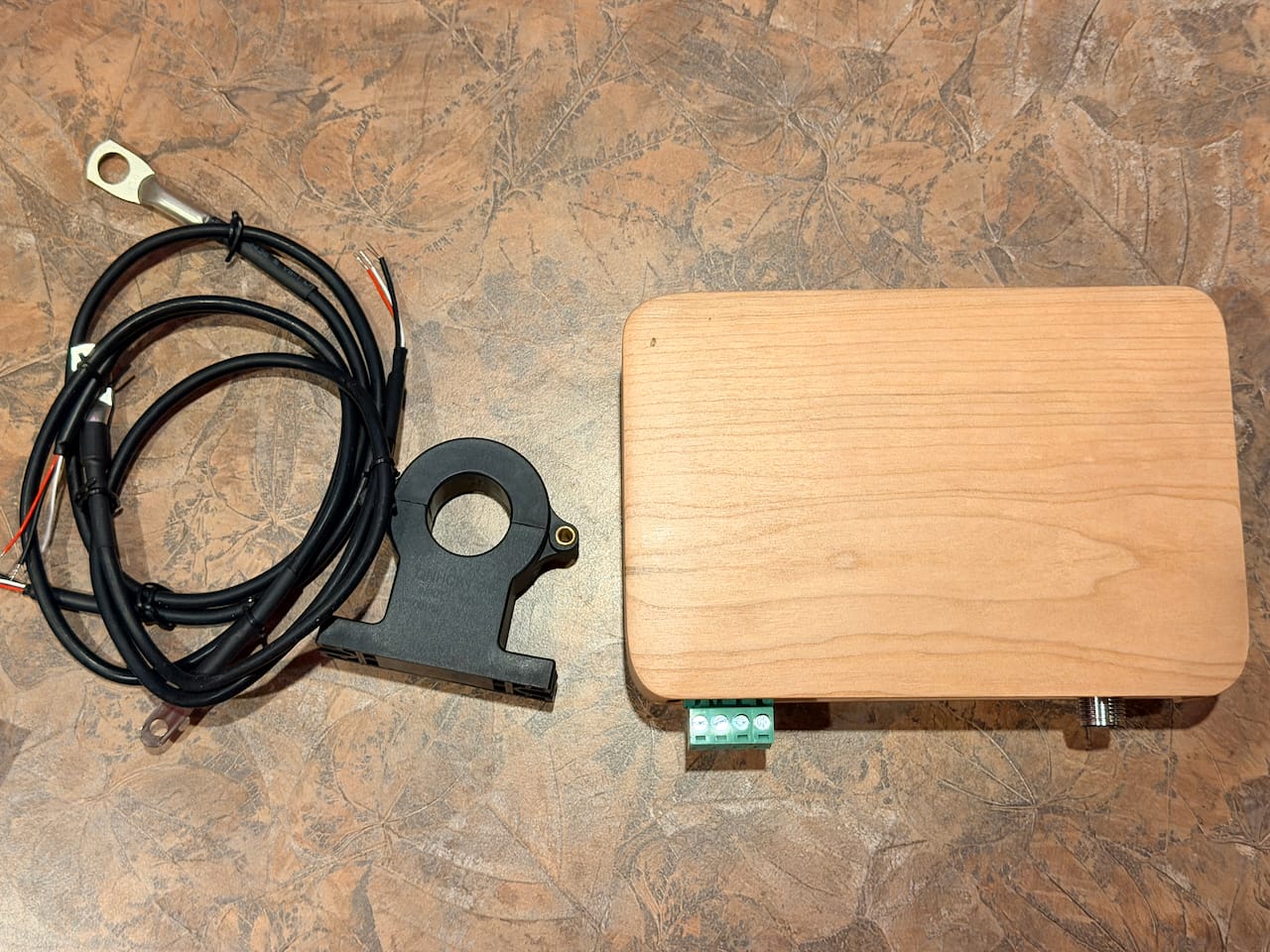
X Engineering is new to the field of alternators (see what I did there?) and I am very excited to test the XREG-010 which is specifically designed for Lithium battery systems. The hardware is a bit different than most other regulators in that it leverages ethernet cables to wire things up and has a very powerful web interface built into the product. It's open source, lower priced than all of the other products out there, has support for NMEA 2000, SignalK, over the air updates, and a ton of other features.
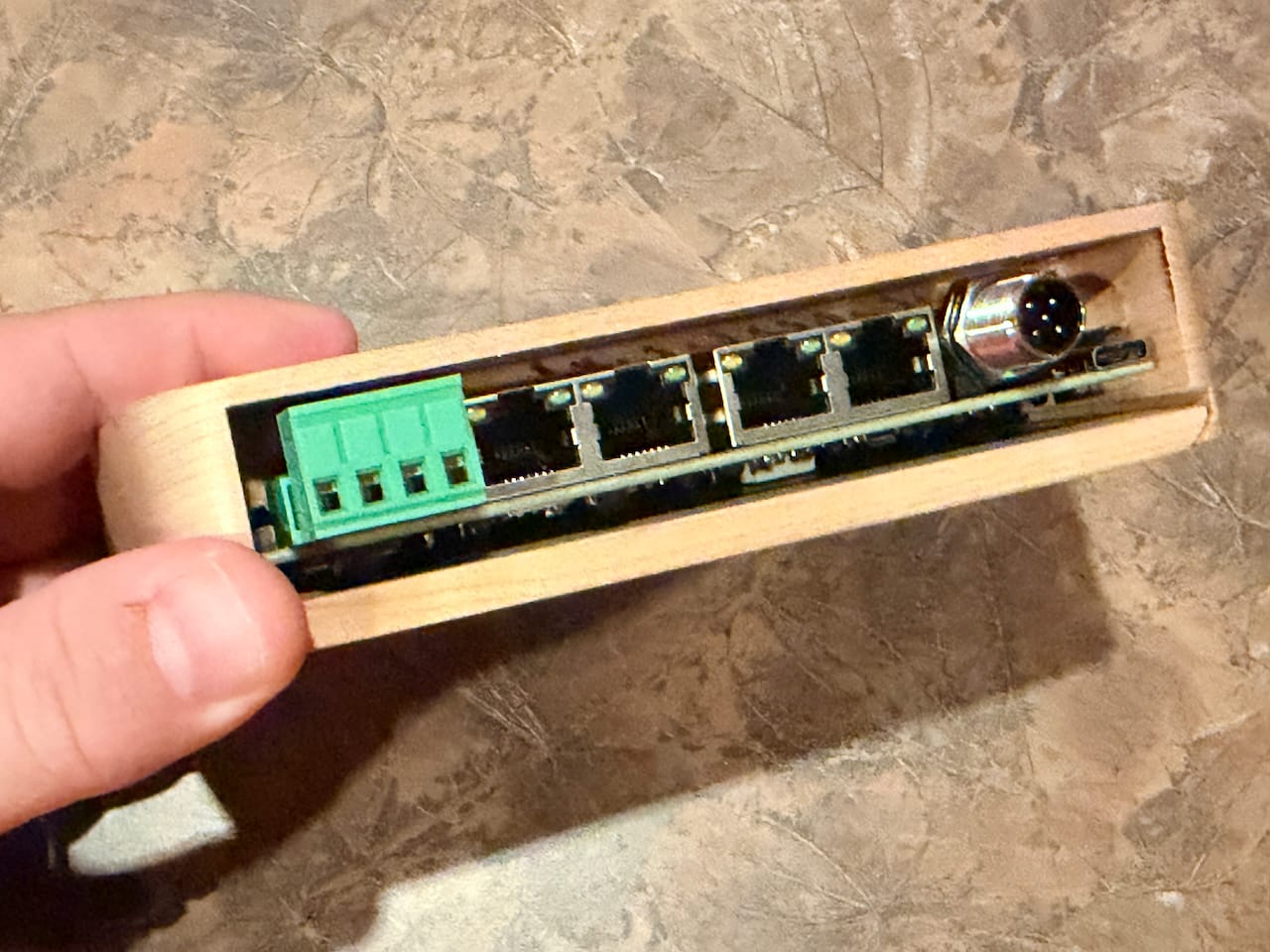
It also has health monitoring which I am very interested in testing for a longer time period. This feature, according to X Engineering "Learns the alternator's output for a given RPM, field, voltage, and temperature, then flags deterioration. A physics-based life model predicts time-to-failure."
Not only is that a first, I believe, for any alternator regulator, but it could be highly useful information to predict failures and swap out an alternator or other component before it fails.
It also has some other cool features such as cloud access for remote data viewing and analysis, an anchorage comfort scoring system, plus displays and details on wind speed, temperature, and more all from your NMEA 2000 network.
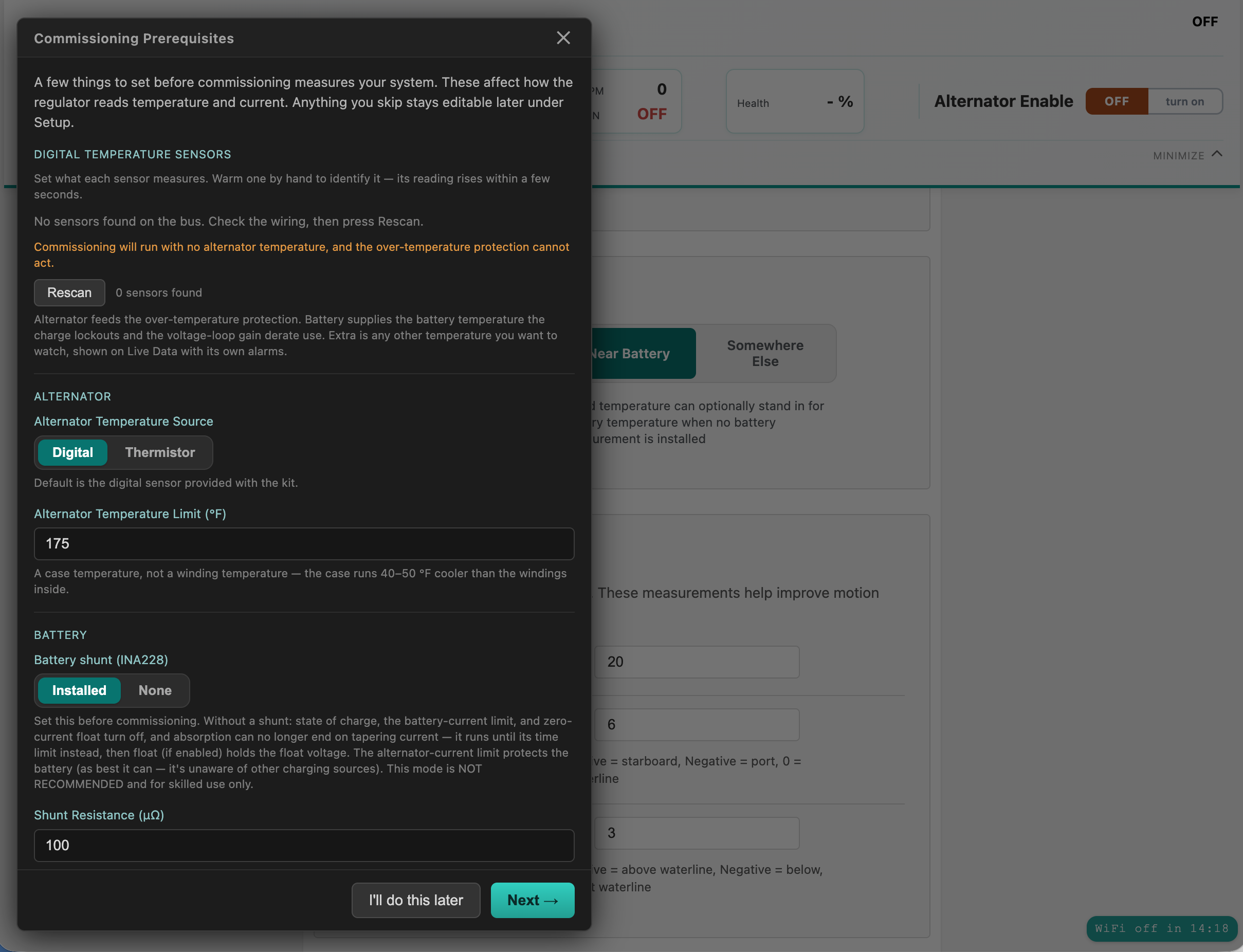
One of the things I really like about this product is the onboarding wizard. More marine companies could learn from this and provide a much better experience when going through setup. In the screen shot above, you can see various questions and data that is required before the system will work. Being able to "interview" the installer and ensure that the right things are working, that data is being seen by the system, etc. is a high quality way to ensure things are setup appropriately. Many tech-based products have had this sort of approach for many years, but marine vendors don't seem to embrace this for the most part, especially for complex products like alternator regulators. I also really like that it's all web based - no app or proprietary process needed.
Garmin Signal 400 VHF
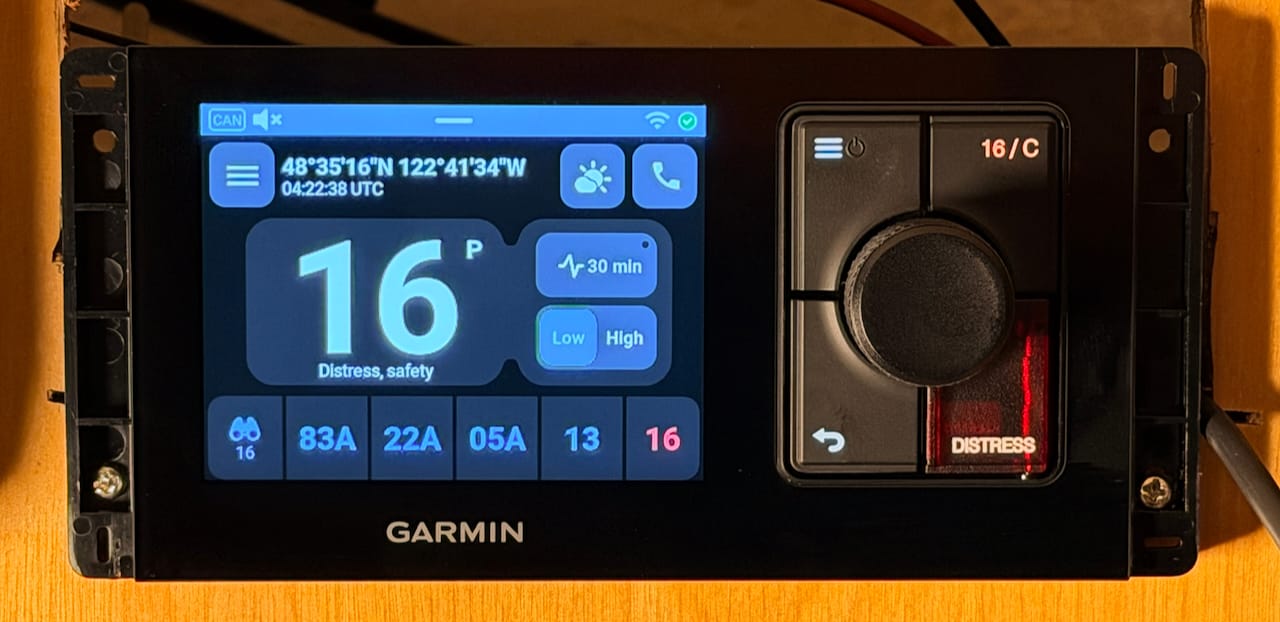
I've finished my testing on the Garmin Signal 400 VHF radio. I have an unboxing video and article that will be out shortly, as well as a deeper dive into using the radio, pros and cons, and my overall impression after a few months of use.
Overall, I think this is one of the best radios that I've seen in quite a long time. Not only does it have a modern approach with its operating system, but it is fast, easy to hear, has lots of features that come across from the Vesper Cortex, and has an AIS transponder built right in. The form factor is very compact considering everything you get, and the included magnetic fist mike is easy to use and allows for a lot of flexibility in installation.
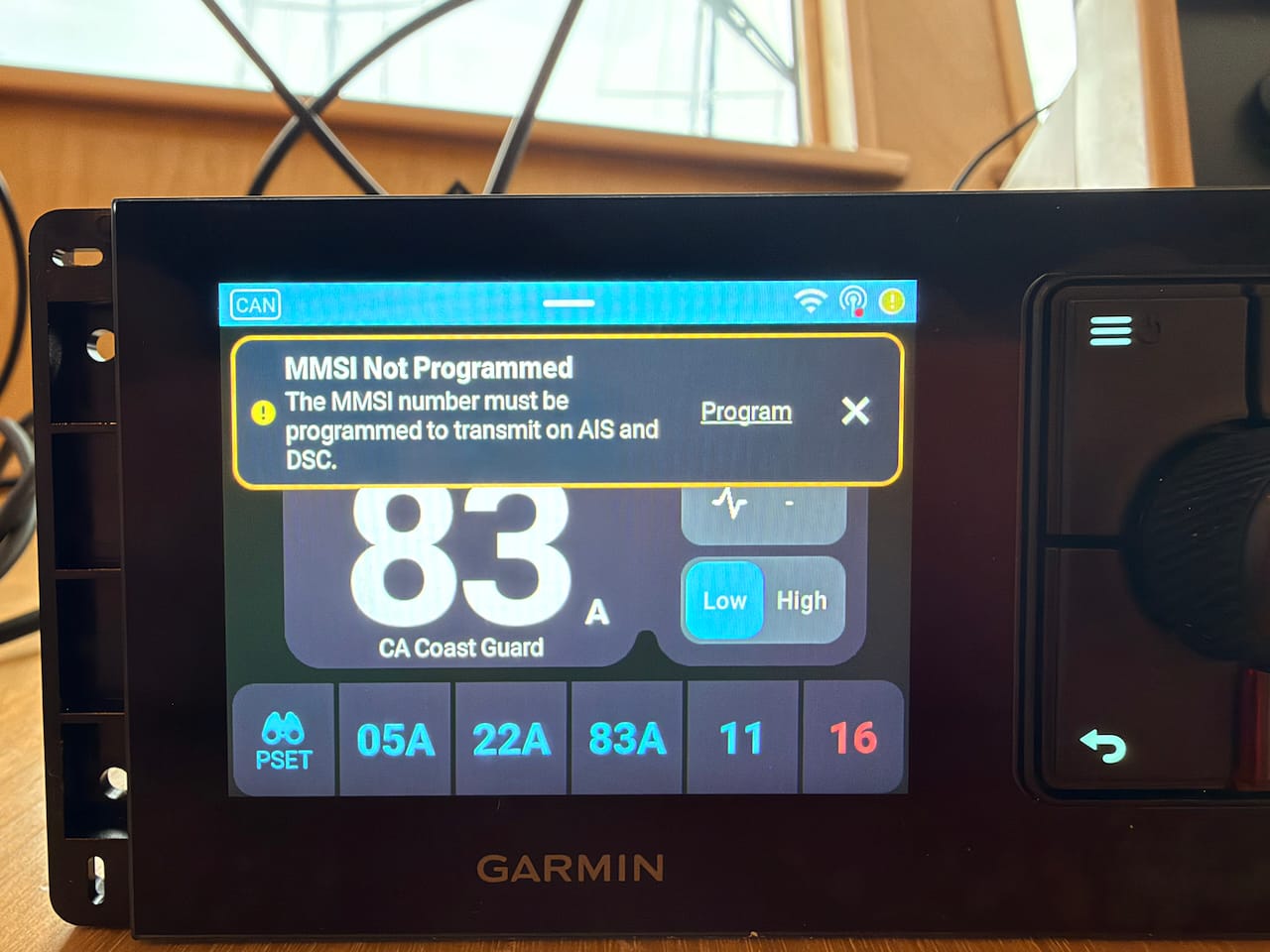
Programming the radio requires the ActiveCaptain app, which I have mixed feelings about, but is very quick and easy. I filled out a form online, provided a copy of my radio license, and less than an hour later, I had an email with instructions on how to use the app to program the radio. Within about 30 seconds of opening the app, the radio was programmed, and I was broadcasting my AIS data.
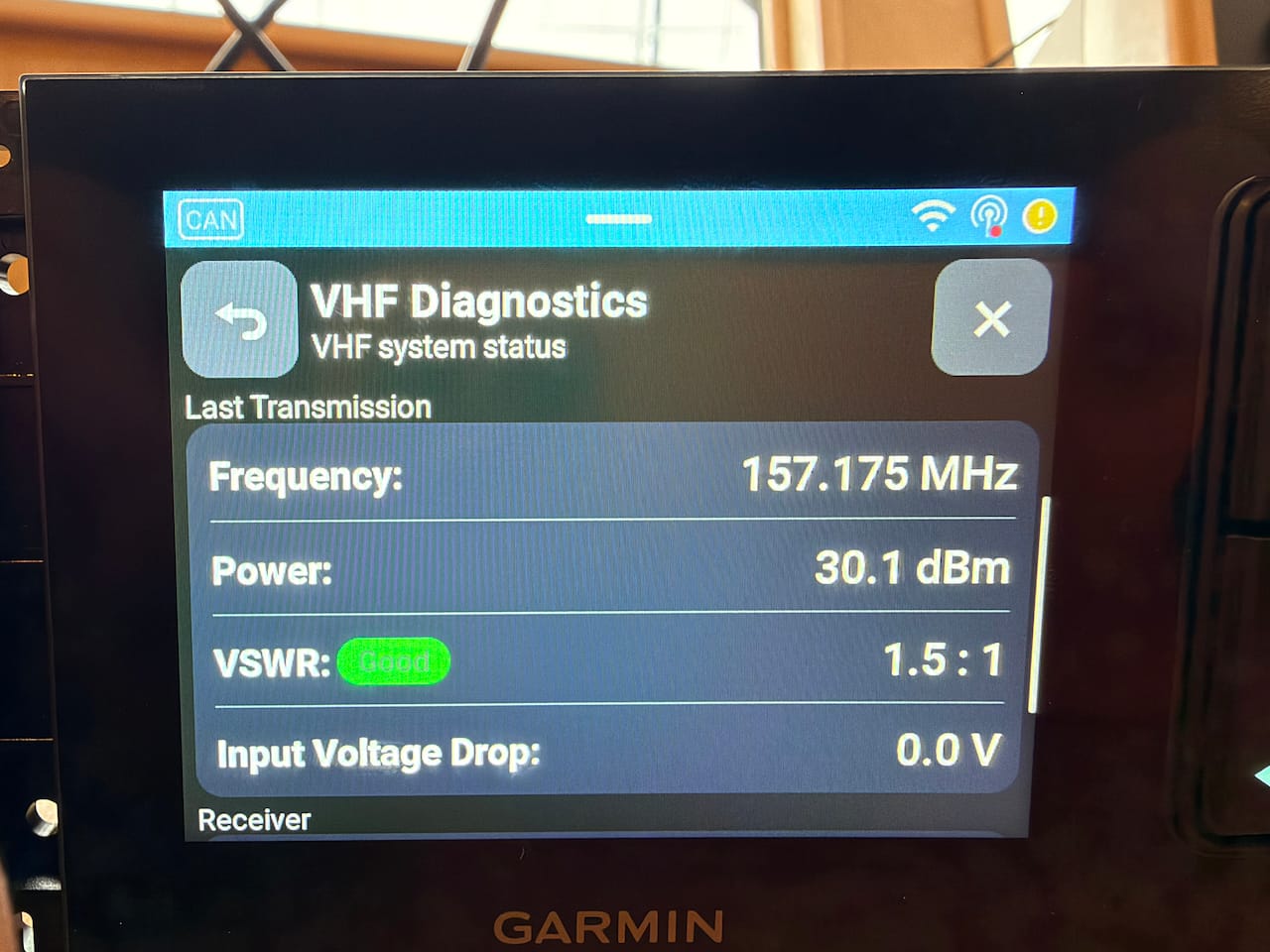
One of the coolest things that the signal has is antenna diagnostics built right into the radio. I don't think any other radio has something like this, or if they do, it's not as comprehensive. It's great to have these details when installing a new radio to ensure that your cabling and antenna are in good condition.
I really like this radio, and even with some small issues, it is a great solution at the helm. It's definitely not a Vesper Cortex replacement, but rumor is we should be seeing something more for the sailboat world / Cortex-like soon from Garmin too.
New Wire Marine Dex7 Multimeter
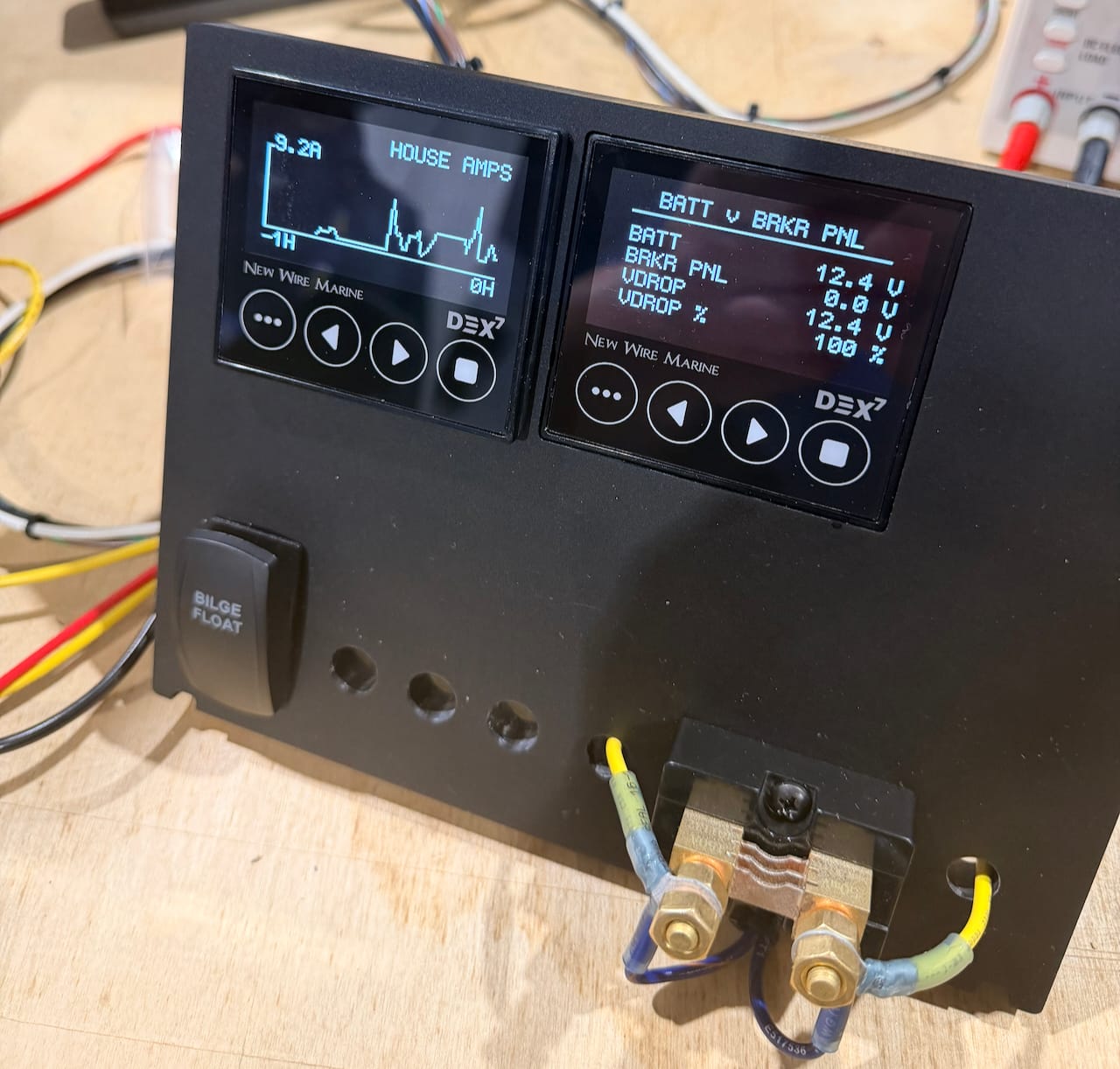
I saw this product at the IBEX show and was really impressed with the form factor and density of information that it contained. I just got mine, so I don't have pictures of it installed yet, but I've played with it on the bench and it's just as impressive now as it was at the show.
It has the same 2-1/16" hole pattern as many of the analog gauges on older boats which means it is a great retrofit option. It can monitor:
- DC Voltage
- DC Current (with optional shunt - I have a 500 amp one I will be using during testing)
- AC Voltage
- AC Current (with optional current transformer)
- 3 Flex Inputs, Configure as: (additional DC volts, bilge pump monitor or hourmeter)
It also has an alarm output. For the form factor, being able to see graphs over time for any of these critical electrical items is really cool. I think folks are going to enjoy this upgrade for those who have the older analog gauges, or even the Blue Sea series gauges which lack a lot of the features provided in the Dex7. More details as I continue testing and installation.
PredictWind DataHub Pro
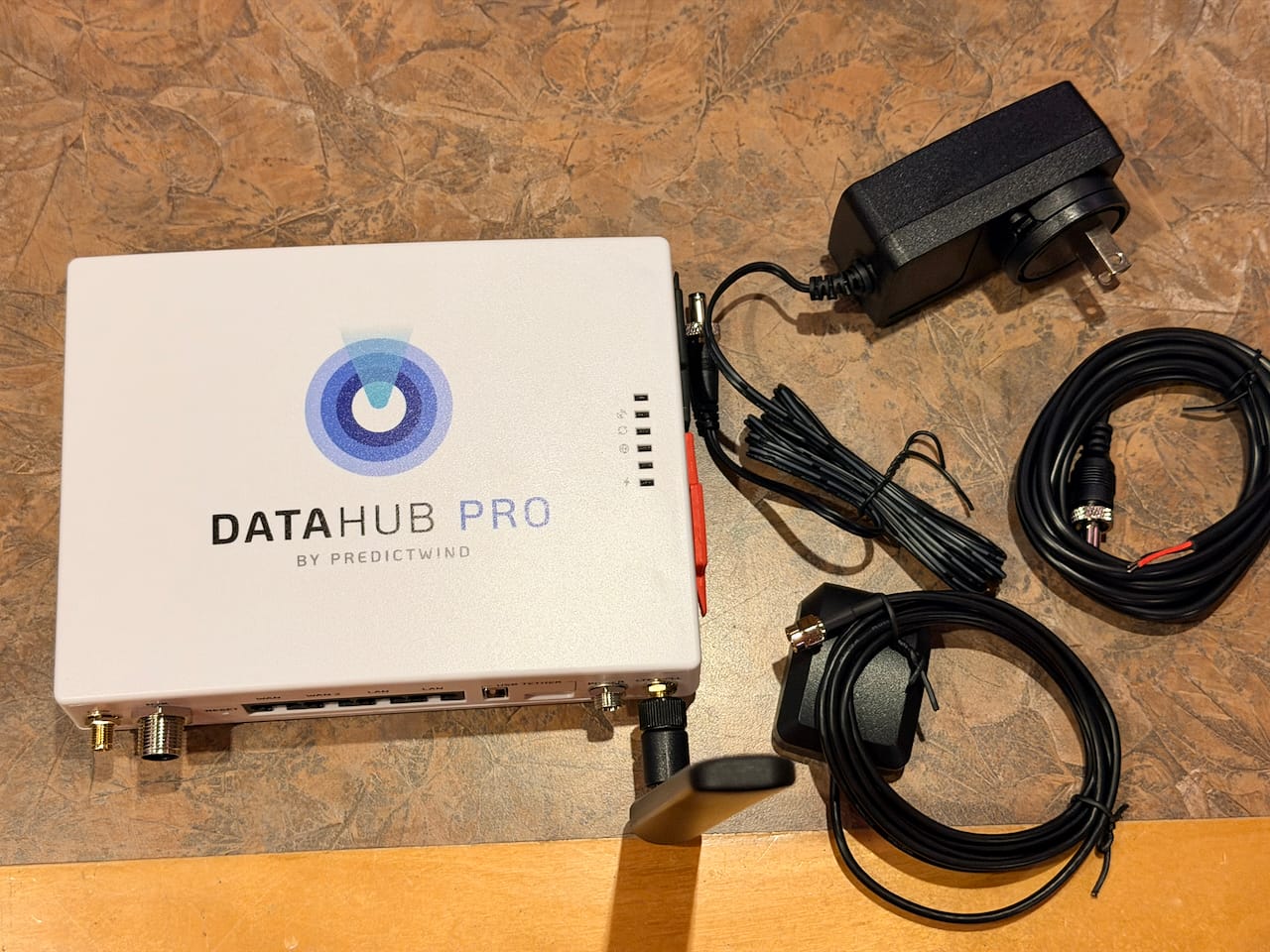
PredictWind has offered the original DataHub for quite a few years. It offered the ability to connect into your NMEA 2000 network and make that data available via WiFi, custom polars, anchor alarm, and share weather and your tracks with others. The new DataHub Pro builds on that and offers a much faster system, LTE connectivity, 4 ethernet ports, Starlink integration, and WiFi 6.
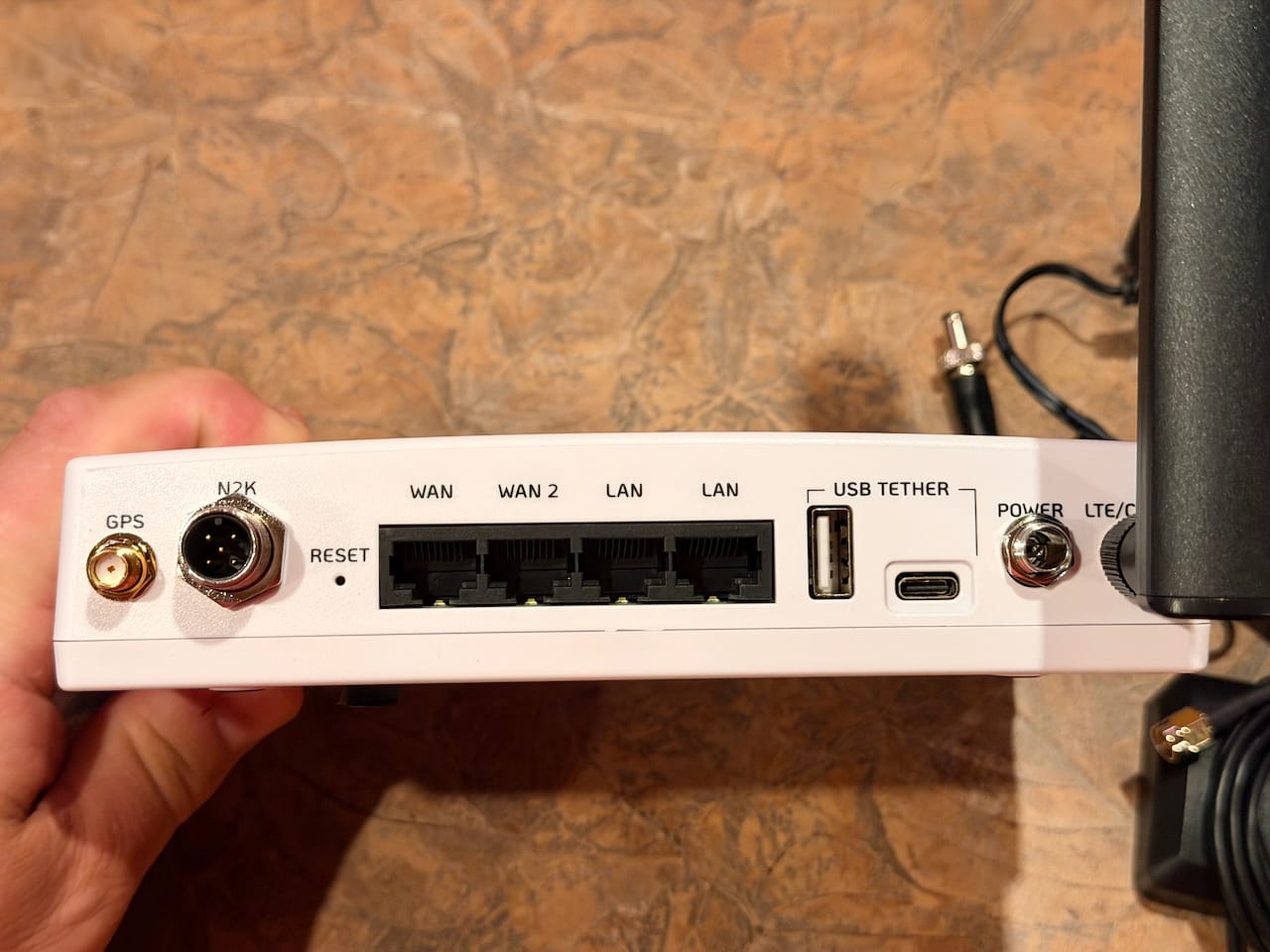
There are two WAN ports and LTE which allows you to connect a Starlink and have the DataHub Pro manage the connection in the case of an outage. You could even have a second Starlink or other WAN device for redundancy. This may be a good option for folks who want remote monitoring, NMEA 2000 integration, and PredictWind features, but don't want to spend money on a dedicated Peplink or similar router.
So far in testing, it has definitely exceeded the speed of the original PredictWind DataHub, and the new functionality is nice to have. I'm still working through all of the tests and time that I'd like to see it handle, especially whether it is truly a replacement for a more advanced LTE router.
Victron Cerbo MK3
This is a recently released update of the Cerbo hardware that includes faster CPUs and RAM compared to the MK2. The biggest improvement is in overall speed and capacity for running larger systems and the Venus-OS Large image which allows you to run things like Signal K and Node-RED.
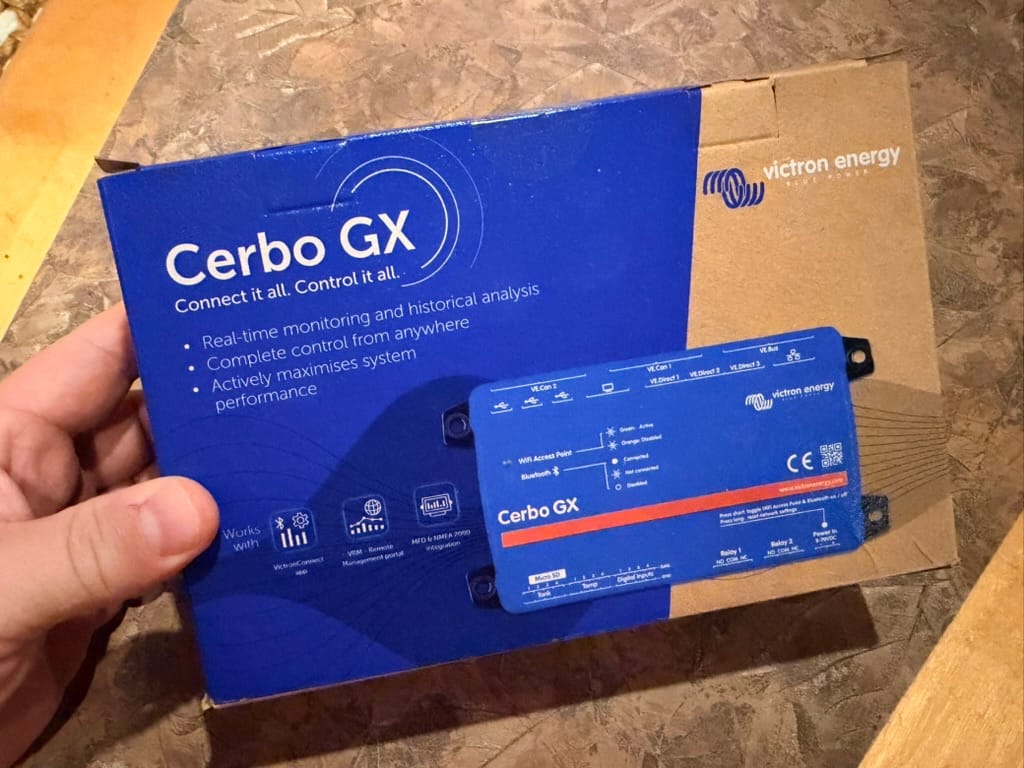
Using the MK2 or even MK1 versions of the Cerbo has led to some performance issues, especially if you are using DVCC in combination with larger Signal K or Node-RED setups. Eventually, devices connected to the Cerbo have started having delays in getting updates or communication, which results in weird things happening, or the system not operating as cohesively as it's supposed to.
I've already moved over to the new MK3 and have been testing with my production system which includes multiple Node-RED flows to manage generator starting and stopping, ramp up, and also tons of data being sent from Victron + NMEA 2000 over to Home Assistant for automation. So far so good!
Aruna Electrical 2.0 Update
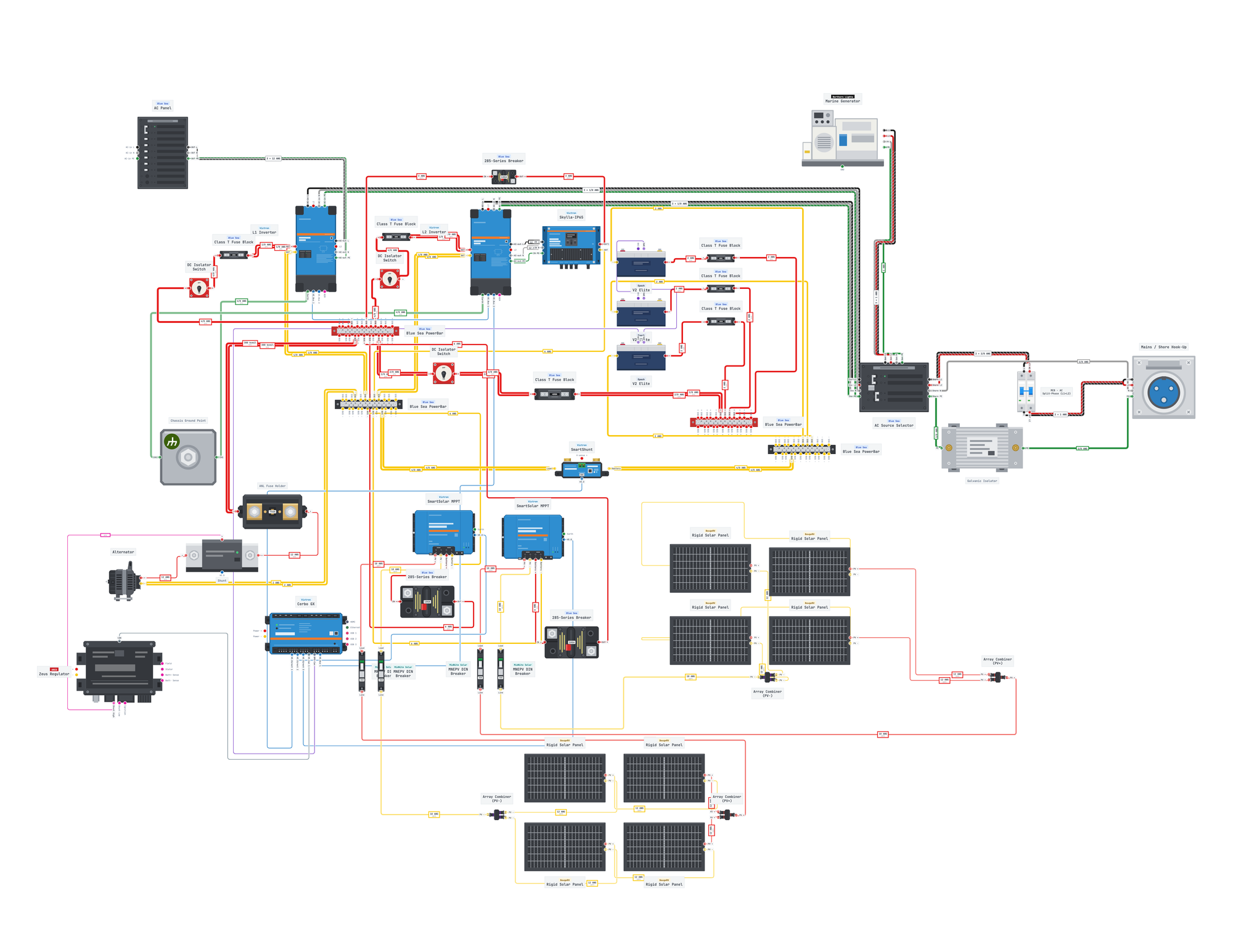
Back in April I wrote about Aruna's old electrical system and initial thoughts around the new system. I installed version 2.0 of the system in March and used it throughout the year including over 2500 nautical miles and over 75 different anchorages. I'm already doing work on version 2.5 based on what I learned over that time and it includes a new alternator, one of the regulators above, some changes with fusing and relays, and a few other things. I know there was a lot of interest in what I chose for my design, and an updated article should be ready in December.
Looking forward to deeper dives into all of these products and projects and full articles in the very near future. Comment below if you have questions!